Aircrew Parachute Harness/Pack – Vulcan & Victor Crew Seats: Military Aviation Safety Equipment
Aircrew Parachute Harness/Pack – Vulcan & Victor Crew Seats: Military Aviation Safety Equipment
Blog Article
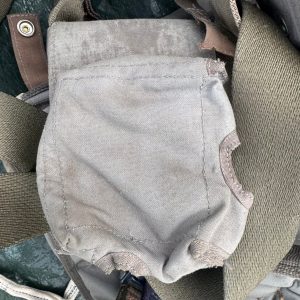
The Aircrew Parachute Harness/Pack – Vulcan & Victor Crew Seats offers collectors, restoration specialists, museums, aviation historians, and qualified equipment professionals a distinctive example of military flight safety equipment.
The Aviation Parachute Harness can offer collectible and restoration value, while the Pilot Parachute Harness should never be judged serviceable from appearance alone.
Every Aircraft Emergency Parachute Harness, Aircrew Safety Harness, Flight Crew Parachute Harness, Emergency Parachute Harness, or Military Aircrew Harness requires individual inspection because age, storage, wear, and modification can affect condition.
Whether described as an Aviation Emergency Escape Harness, Parachute Harness Assembly, Aircraft Crew Safety Equipment, Aircrew Emergency Equipment, or Pilot Emergency Parachute System, the item should be evaluated within its complete original configuration.
The Flight Parachute Harness should remain matched with the correct parachute pack, seat arrangement, attachment hardware, and operating system.
Exploring the Aircrew Harness and Pack Configuration
The offered harness and pack should be identified through visible labels, part numbers, contract markings, manufacturer information, dates, inspection stamps, and known aircraft-seat relationships.
Unknown parts should be described honestly instead of assigned an unsupported function.
Military Harness Structural Features
Metal hardware can corrode, crack, deform, seize, or develop sharp edges that damage surrounding material.
Stitching should be reviewed for broken threads, fading, contamination, pulled sections, loose patterns, unauthorized repair, and separation from the webbing.
Pilot Parachute Harness Fit and Adjustment
Shoulder, chest, waist, and leg adjustments may influence comfort, movement, load distribution, and secure positioning.
Collectors may value original configuration more than modern replacement hardware.
Aircraft Emergency Parachute Harness Function
Historic equipment may contain obsolete, time-expired, modified, incomplete, or unverified components.
Unknown alterations should be recorded rather than removed immediately.
Maintaining Aircrew Harness Equipment
The intended function should be established through technical references and component markings rather than appearance alone.
Proper storage protects the Aircrew Safety Harness and reduces further deterioration.
Flight Crew Parachute Harness Condition
Detailed condition reporting creates a more credible and commercially useful listing.
Unsupported claims of combat use, specific crew assignment, or aircraft provenance should be avoided.
Emergency Harness Storage Review
Inspection should begin with the harness laid on a clean, dry, nonabrasive surface under strong lighting.
Metal fittings should be checked for rust, pitting, cracks, distortion, sharp edges, frozen movement, and plating loss.
Military Aircrew Harness Heritage
The combination of aircraft association, markings, configuration, condition, and documentation can influence historical and commercial value.
Museums and display builders may use the harness/pack to complete a crew-seat installation, cockpit exhibit, training display, or aviation-history presentation.
Understanding an Aviation Emergency Escape Harness
System-level research improves historical accuracy and buyer understanding.
Wear patterns can sometimes show how straps or fittings were routed, but interpretation should remain cautious.
Harness and Pack Configuration
The exact configuration should be listed clearly so buyers understand what is included.
Small fittings, retainers, straps, pins, covers, or connectors may have significant restoration value.
Choosing Aircraft Crew Safety Equipment
Aircraft Crew Safety Equipment may include harnesses, parachute packs, helmets, oxygen equipment, survival gear, restraints, life preservers, and emergency signaling devices.
Original dirt, markings, or wear may provide useful historical evidence.
Aircrew Emergency Equipment Applications
Aircrew Emergency Equipment reflects the operational requirements, aircraft technology, crew roles, and safety practices of its service period.
Modern additions used for display should read more remain distinguishable from original components.
Understanding a Pilot Emergency Parachute System
Any operational consideration requires current evaluation by appropriately qualified parachute personnel.
Collectors should avoid deploying, unpacking, repacking, or load-testing rare equipment without understanding the effect on originality and condition.
Choosing an Aviation Safety Harness
Its visual impact is enhanced when straps, pack, fittings, labels, and attachments remain arranged accurately.
Controlled access supports preservation of the Aviation Safety Harness.
Buying Historic Aircrew Equipment
The seller should understand the buyer’s purpose before making suitability statements.
Original storage bags, manuals, inspection cards, or photographs can increase collector interest.
Choosing Aircraft Parachute Equipment
Configuration research helps avoid historically inaccurate or technically unsuitable assemblies.
Any uncertain connection should remain unforced and documented.
Aircrew Harness Pre-Purchase Checklist
Photographs should show every major surface and identification marking.
- Verify whether the harness, pack, fittings, connectors, straps, and seat-interface components belong to one original configuration.
- Do not treat clean appearance, original labels, or previous inspection stamps as proof of current operational suitability.
- Report shipping damage, missing parts, undocumented repairs, label differences, or undisclosed contamination promptly.
Storing the Aircrew Parachute Harness/Pack
Conservation-quality storage can slow deterioration and preserve historical evidence.
Any suspected mold or chemical contamination should be isolated and assessed carefully.
Crew-Seat Harness Display Installation
A crew-seat display should support the pack in a way that reduces weight on aged straps, fittings, and adjustment points.
Interpretive material can explain the relationship between the harness, pack, crew seat, aircraft role, and emergency system.
Long-Term Aircrew Harness Care
Aggressive cleaning can remove original markings, finishes, inspection evidence, or historically significant wear.
Documentation should record every intervention, added component, cleaning method, and display modification.
Buying Historic Military Aircrew Parachute Equipment
When carefully inspected, stored, documented, conserved, and displayed, the Aircrew Parachute Harness/Pack – Vulcan & Victor Crew Seats can remain a valuable military aviation artifact.
Buyers should request detailed photographs, accurate condition descriptions, complete package inventories, secure transaction terms, protective shipping, and specialist review where appropriate.
Whether collectors search for an Aviation Safety Harness, Flight Parachute Harness, or Aircraft Parachute Equipment, historical value should remain separate from operational suitability.
With transparent condition reporting, complete photography, secure shipping, specialist review, and controlled handling, the equipment can support a professional Vulcan or Victor crew-seat project.
Report this page